
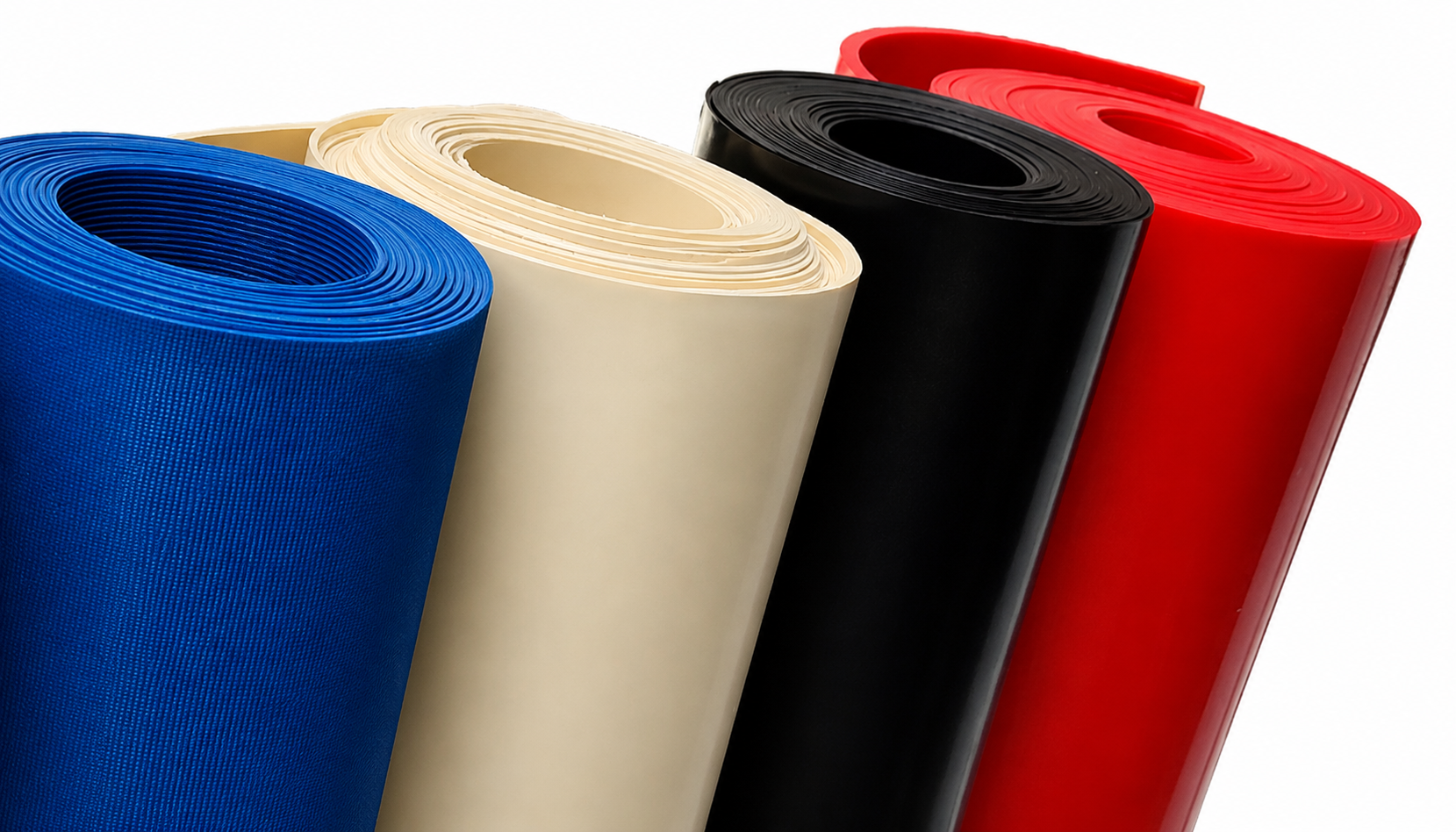
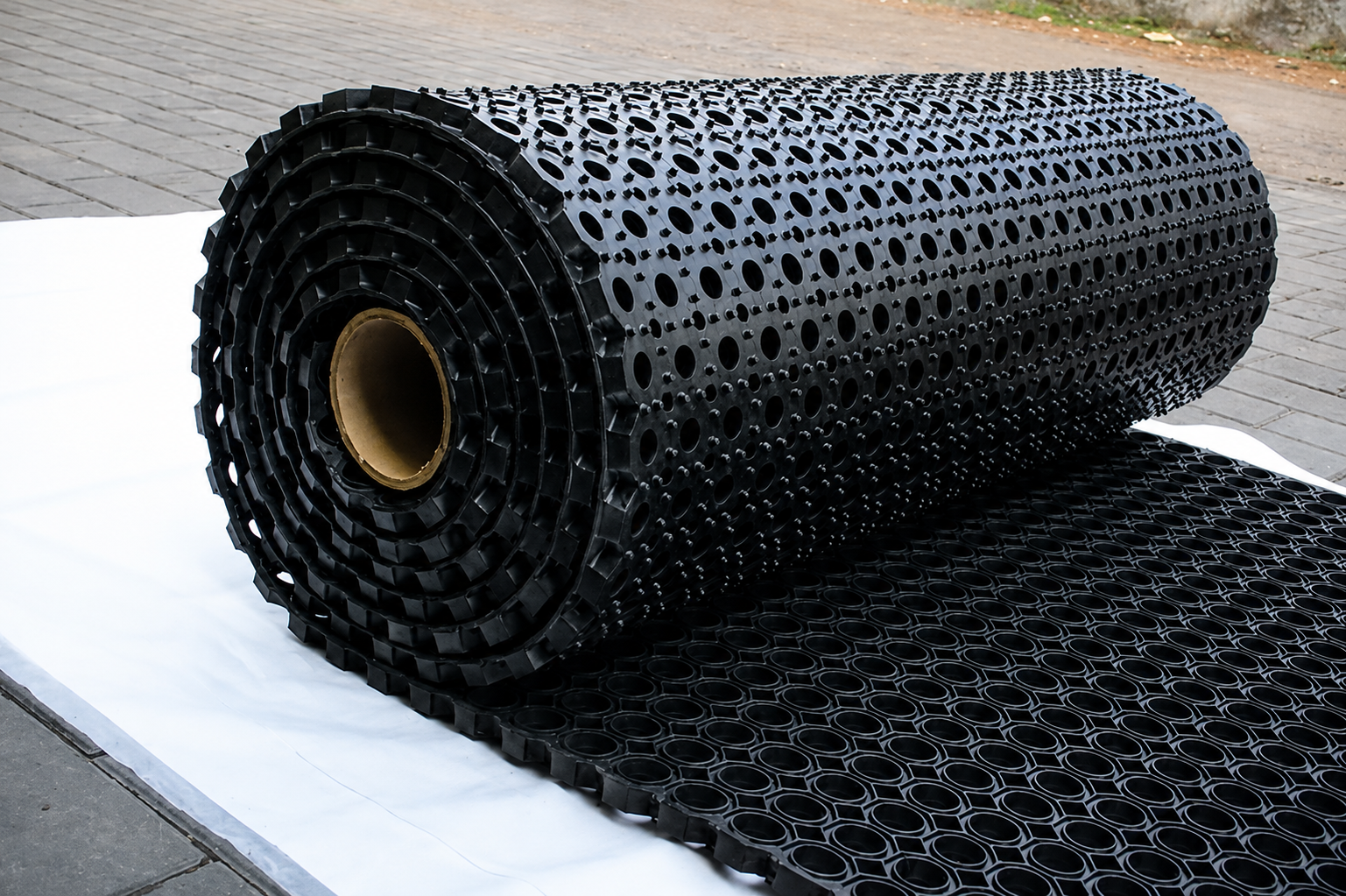

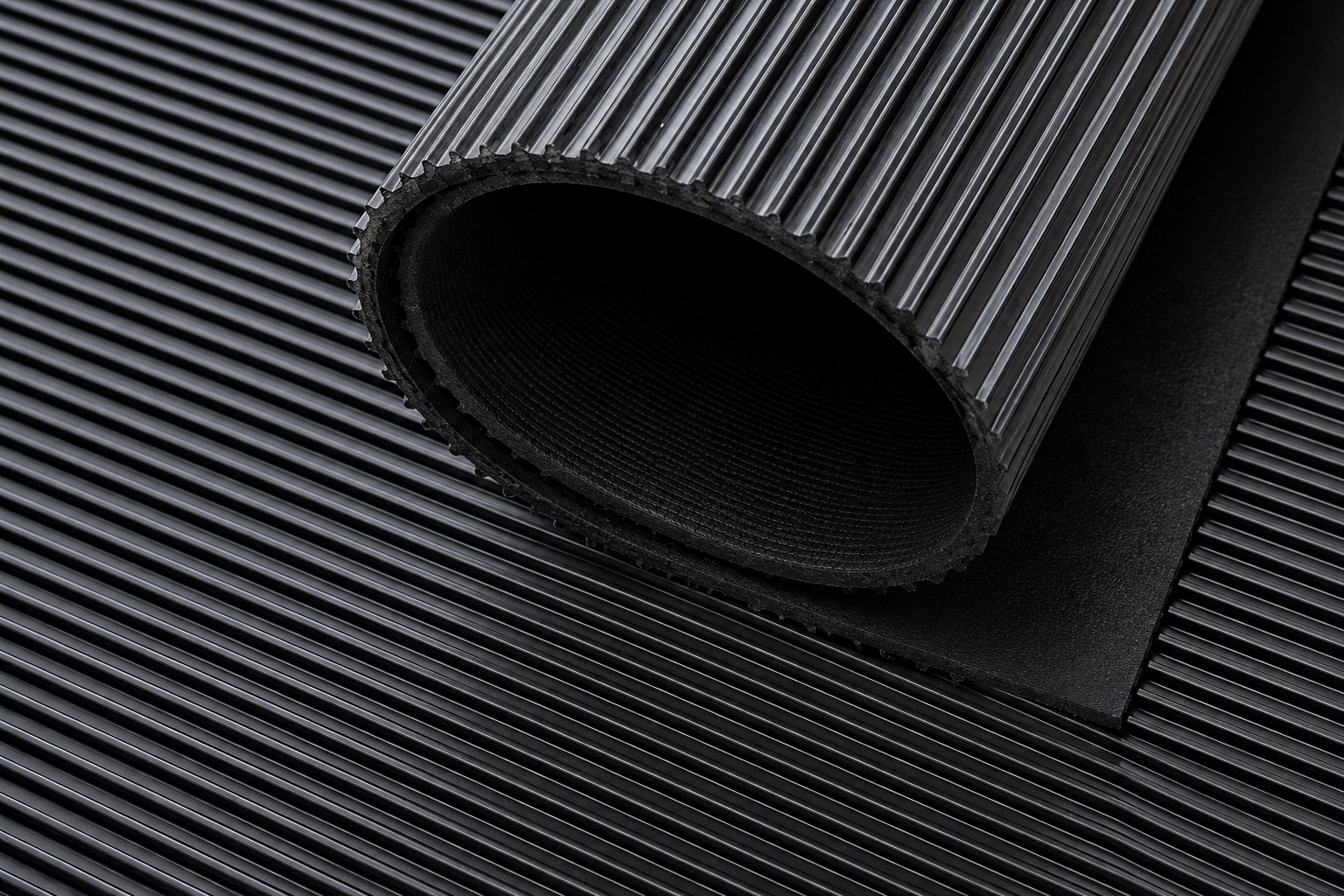
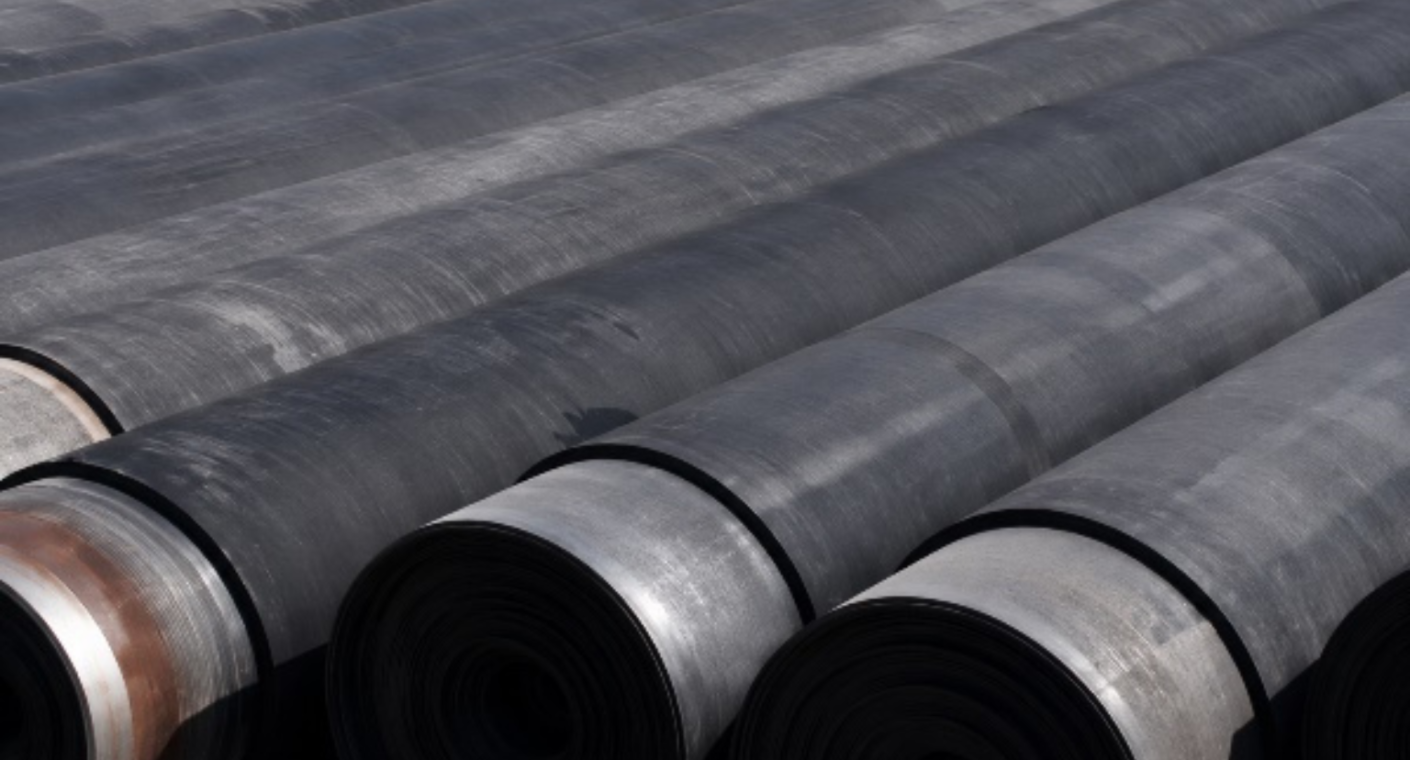
Selecting the correct rubber sheet is critical for ensuring durability, safety, and performance in industrial environments. With multiple materials available, understanding their properties and applications can help businesses make informed purchasing decisions.
Why Rubber Sheet Selection Matters
Industrial rubber sheets are used in manufacturing plants, warehouses, construction sites, electrical installations, and heavy-duty equipment. Choosing the wrong material can lead to premature wear, safety risks, and increased maintenance costs.
Common Types of Industrial Rubber Sheets
1. NR/SBR Rubber Sheet
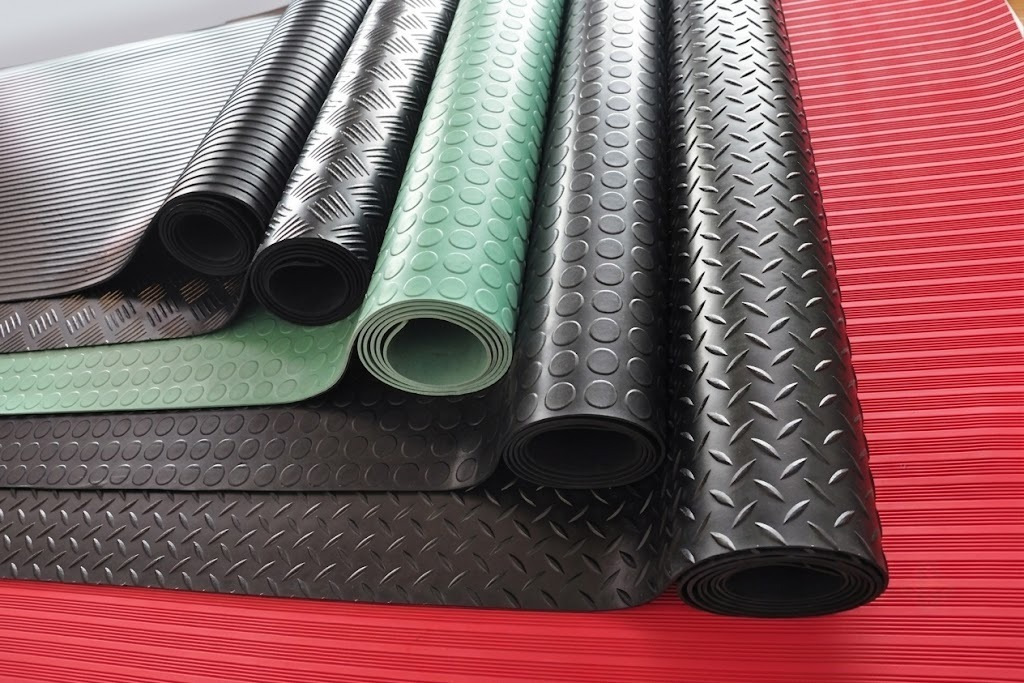
Natural Rubber (NR) and Styrene-Butadiene Rubber (SBR) sheets provide excellent abrasion resistance and flexibility. They are commonly used for general industrial applications, flooring, and sealing purposes.
2. EPDM Rubber Sheet
EPDM offers superior resistance to weathering, UV rays, ozone, and temperature fluctuations. It is ideal for outdoor installations and waterproofing applications.
3. Nitrile Rubber Sheet
Nitrile rubber is highly resistant to oils, fuels, and petroleum-based products, making it suitable for automotive and industrial processing environments.
4. Silicone Rubber Sheet
Silicone sheets perform exceptionally well in extreme temperatures and are commonly used in food processing, pharmaceutical, and high-temperature applications.
5. Chloroprene (Neoprene) Rubber Sheet
Known for its balanced resistance to weather, chemicals, and oils, chloroprene rubber is widely used in marine and industrial environments.
Key Factors to Consider
- Operating temperature range
- Chemical exposure
- Abrasion resistance requirements
- Electrical insulation needs
- Indoor or outdoor application
- Thickness and size specifications
Choosing a Reliable Supplier
A trusted supplier should provide detailed technical specifications, quality certifications, custom sizing options, and global shipping capabilities. This ensures consistency and compliance across projects.
Conclusion
The right rubber sheet depends on your specific operating conditions and industry requirements. By evaluating material properties and application needs, businesses can maximize product lifespan while reducing maintenance costs.
Need help selecting the right rubber sheet? Contact Synicon’s technical team for expert recommendations and custom quotations.