Many businesses confuse anti-slip mats with anti-fatigue mats. While both improve workplace safety, they serve different purposes and are designed for different environments.
What Are Anti-Slip Rubber Mats?
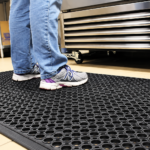
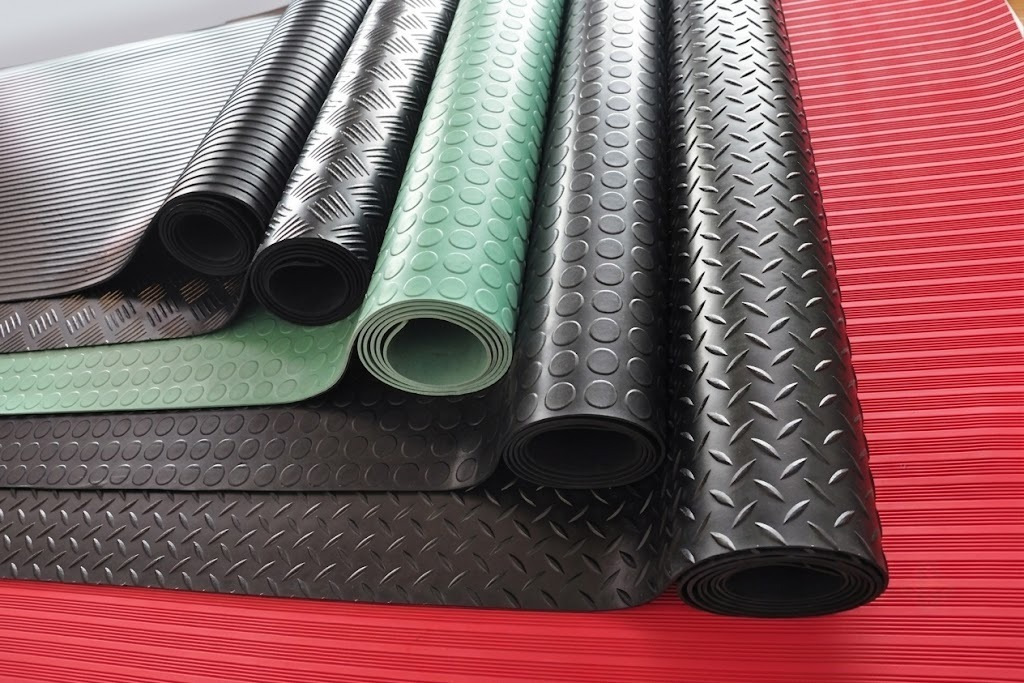
Anti-slip mats are designed to improve traction and reduce the risk of slips and falls. Their textured surfaces provide grip in wet, oily, or high-traffic areas.
Common Types
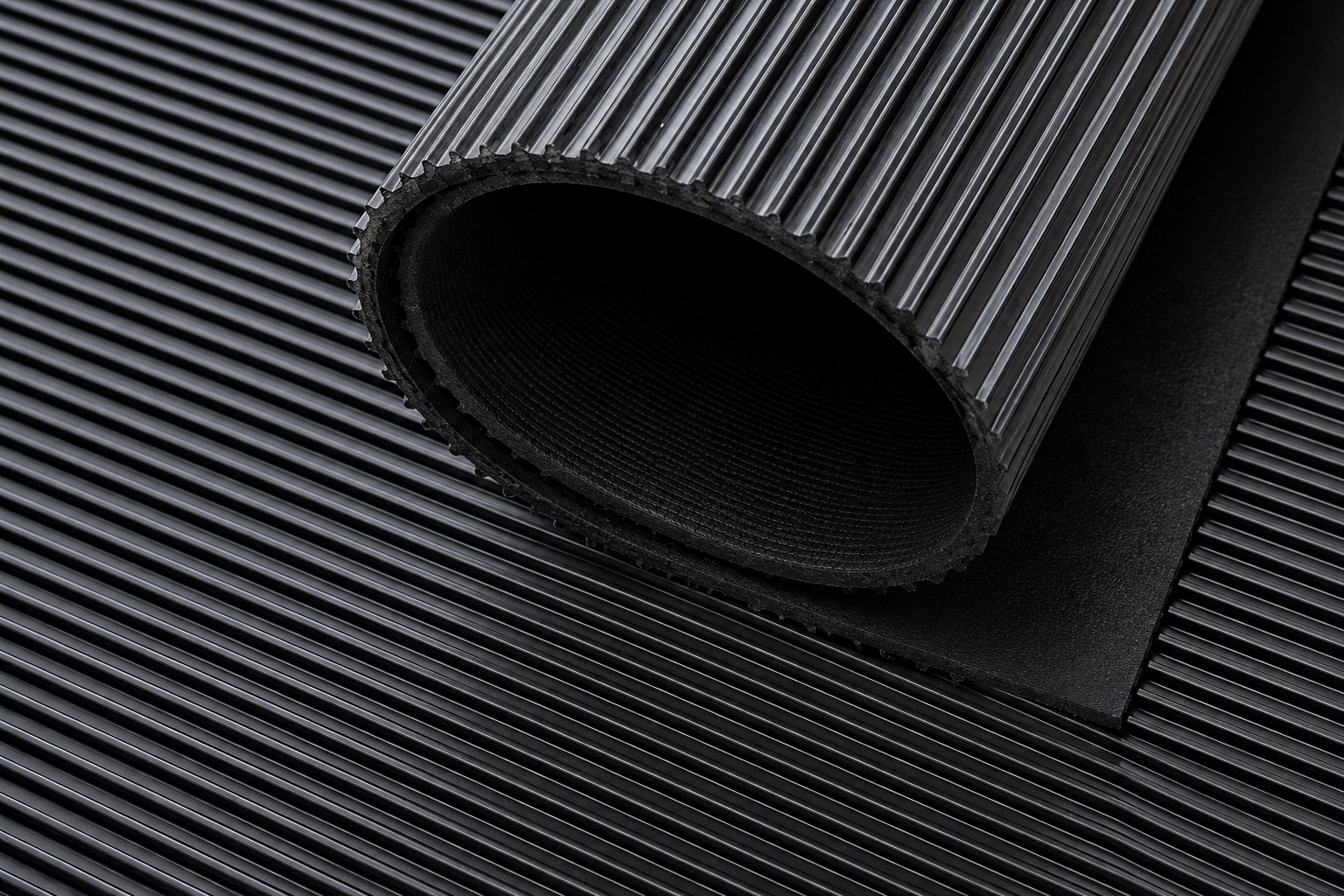
- Rib Rubber Mats
- Coin Rubber Mats
- Checkered Rubber Mats
- Pyramid Rubber Mats
- Amoeba Rubber Mats
- Stair Rubber Mats
Best Applications
- Warehouses
- Loading docks
- Industrial walkways
- Marine environments
- Commercial entrances
What Are Anti-Fatigue Mats?
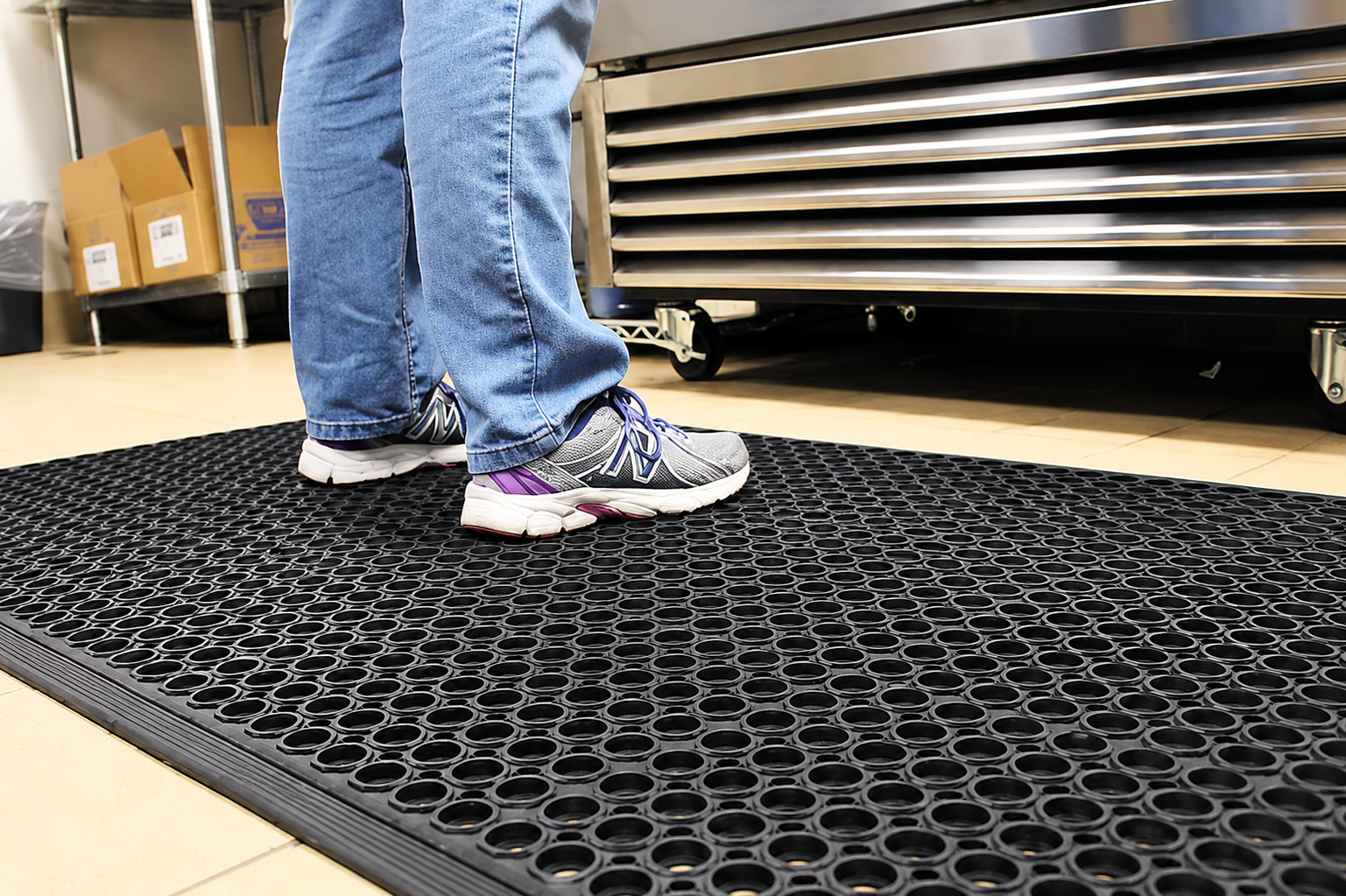
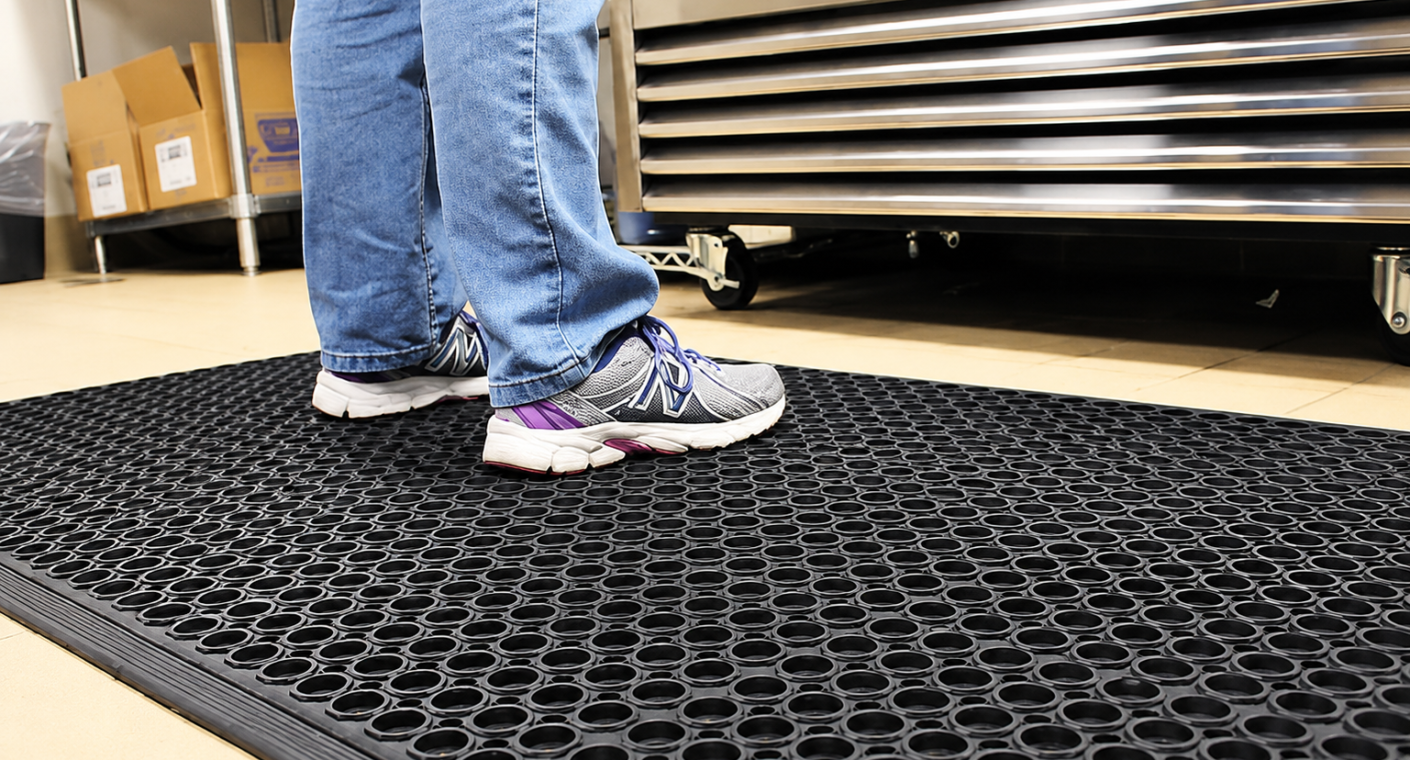
Anti-fatigue mats are engineered to reduce physical strain caused by prolonged standing. Their cushioned construction improves comfort and helps reduce muscle fatigue.
Common Types
- Bubble Comfort Mats
- Diamond Checkered Comfort Mats
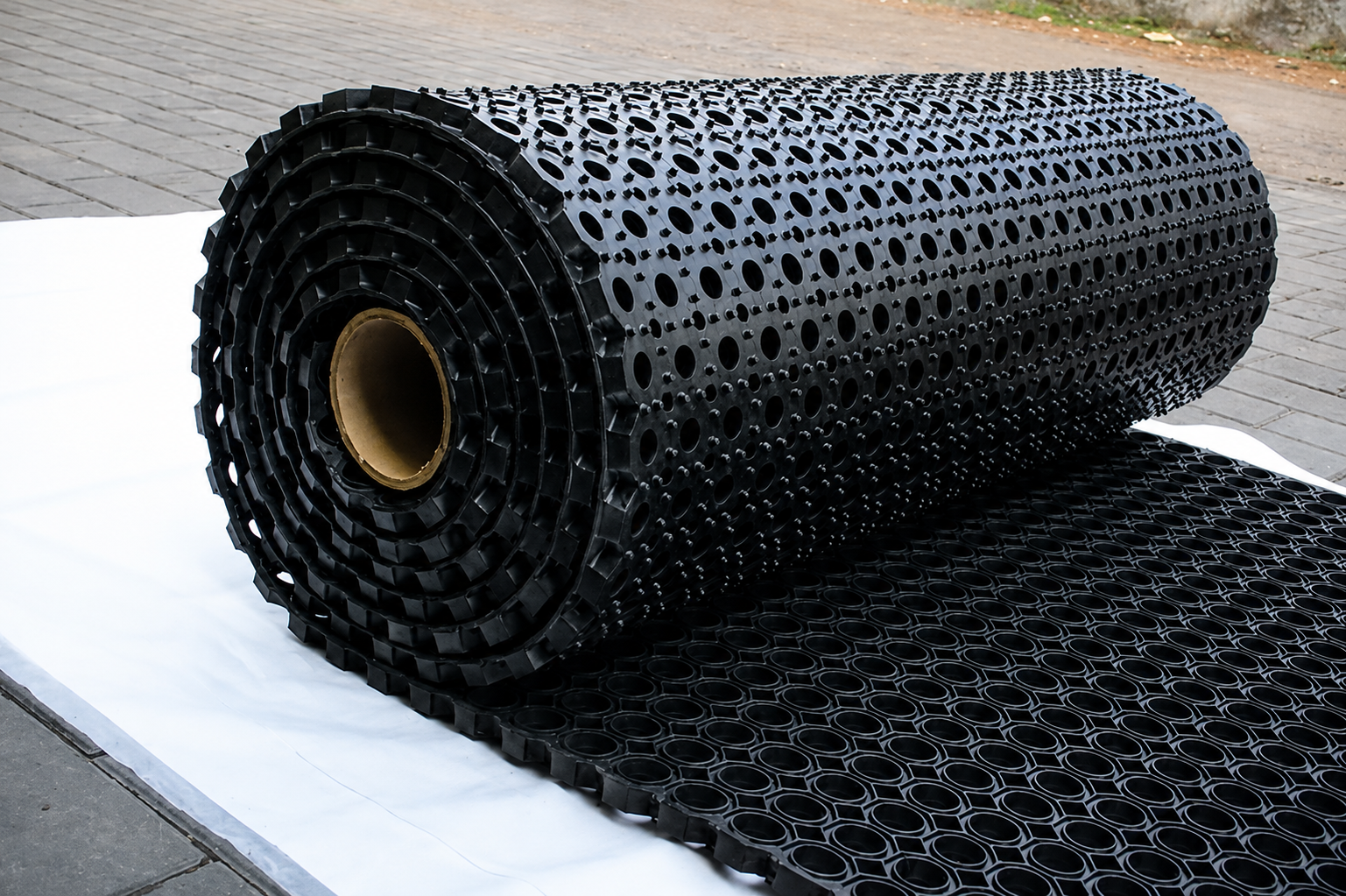
- Octagon Comfort Mats
Best Applications
- Assembly lines
- Manufacturing stations
- Packaging areas
- Retail counters
- Workstations
Key Differences
| Feature | Anti-Slip Mats | Anti-Fatigue Mats |
|---|---|---|
| Primary Purpose | Prevent Slipping | Reduce Fatigue |
| Surface Design | High Grip Texture | Cushioned Surface |
| Ideal Users | Workers in Wet Areas | Workers Standing Long Hours |
| Main Benefit | Safety | Comfort & Productivity |
Can You Use Both?
Yes. Many facilities use anti-slip mats in walkways and anti-fatigue mats at workstations to create a safer and more productive workplace environment.
Conclusion
If your priority is preventing slips, choose anti-slip mats. If employees stand for extended periods, anti-fatigue mats provide better ergonomic support. Understanding the difference helps ensure maximum safety and workplace efficiency.
Contact Synicon to find the ideal rubber matting solution for your facility.